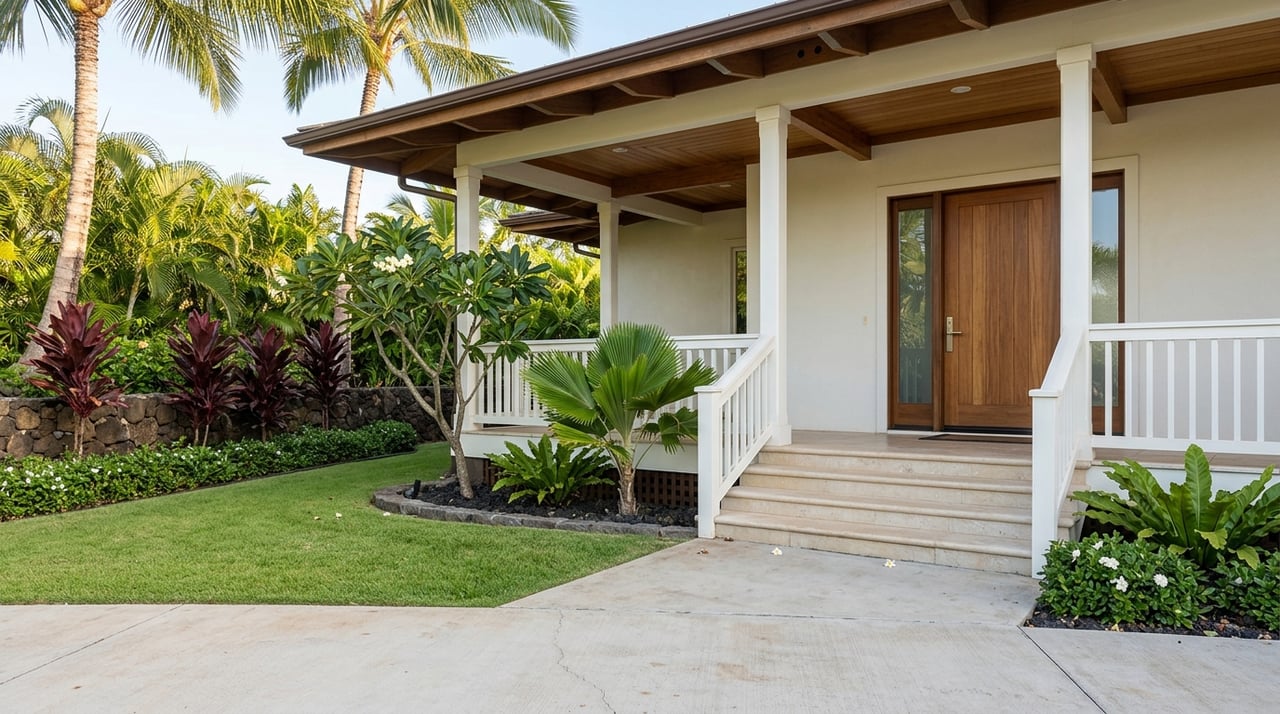
If you are looking for an East Honolulu neighborhood that feels established, practical, and easy to settle into for the long run, ʻĀina Haina stands out. Many buyers are not looking for a destination district with constant turnover. They want a place that supports real daily life, from errands and routines to recreation and community connection. This guide will help you understand what makes ʻĀina Haina work so well for long-term residents and why it continues to appeal to people who plan to stay. Let’s dive in.
Why ʻĀina Haina Feels Established
ʻĀina Haina has the feel of a neighborhood that grew with intention. Local history notes that land once used for the Hind-Clarke Dairy later became ʻĀina Haina, and a mid-century newspaper account described a planned suburban development with sidewalks, wide streets, underground power lines, and a growing shopping center.
That history still helps explain the neighborhood today. Instead of feeling newly built or in transition, ʻĀina Haina reads as a mature residential area with long-standing infrastructure and a clear sense of place. For many buyers, that kind of continuity matters just as much as scenery.
The broader area is also part of East Honolulu’s ridge-to-coast corridor. The 2020 census tract naming for “Aina Haina-Hawaii Loa Ridge” helps frame the neighborhood as part of a larger residential stretch that connects hillside living, everyday services, and nearby shoreline access.
A Resident-Led Community Culture
One of the clearest signs of long-term neighborhood stability is local involvement. The ʻĀina Haina Community Association says it was founded in 1966 to preserve neighborhood quality of life, and it describes a resident-led volunteer board with some members who have lived in the area for generations.
That kind of local continuity can shape how a neighborhood feels over time. It suggests that ʻĀina Haina is not simply a place where people pass through. It is a place where residents invest in the area, stay engaged, and help maintain its character.
The association also says the community now has just under 25,000 residents. That gives ʻĀina Haina enough scale to support local services while still feeling rooted and residential.
Daily Errands Are Close to Home
For long-term living, convenience is a major part of the equation. ʻĀina Haina Shopping Center, located at Kalanianaʻole Highway and West Hind Drive, functions as one of the neighborhood’s main anchors.
The center lists Foodland Farms, Starbucks, Jack’s Restaurant, La Tour Cafe, Mama Pho, Pieology, a U.S. Post Office, banks, a veterinary clinic, a tutoring center, and fitness and yoga businesses. That mix supports the kind of everyday rhythm many residents value, where grocery runs, coffee stops, basic services, and casual meals can happen close to home.
This does not mean every errand stays inside the neighborhood, but it does mean many routine needs can be handled locally. Over time, that convenience can make a meaningful difference in how livable a neighborhood feels.
A Business With Staying Power
Jack’s Restaurant offers a good example of the area’s long-running local identity. The restaurant says it has served East Honolulu 362 days a year since 1964 and describes itself as a neighborhood breakfast-and-lunch spot.
For a long-term resident, businesses like this matter. They reflect continuity, familiarity, and the kind of steady local presence that helps a neighborhood feel lived-in rather than constantly changing.
Library, School, and Civic Life
ʻĀina Haina Public Library is another important neighborhood anchor. The library opened in 1962, later added a senior services librarian in 2008 to meet the needs of an aging community, and became the first public library on Oʻahu to install a photovoltaic system in 2011.
That timeline says a lot about the area. It shows an institution that has been part of neighborhood life for decades while also adapting to residents’ needs over time.
The library also serves as a civic meeting place. The Kuliʻouʻou-Kalani Iki Neighborhood Board meets there, which makes the library more than a reading space. It functions as a practical community hub.
ʻĀina Haina Elementary is also located on West Hind Drive and serves pre-K through 5th grade. For buyers who are evaluating how a neighborhood supports daily routines, having a local public elementary school within the area is part of that bigger picture.
Outdoor Access Is Part of Daily Life
ʻĀina Haina offers a lifestyle that connects residential living with nearby outdoor options. That does not necessarily mean a classic uninterrupted sandy beach setting right outside every home. In fact, the shoreline context here is more nuanced.
According to the Hawaiʻi Department of Land and Natural Resources, the shoreline around nearby Wailupe Peninsula does not have a sandy beach resource, and primary ocean uses there are fishing and kayaking. The nearest public shoreline access points it identifies are Kawaikui Beach Park and Wailupe Beach Park.
That is useful context if you are comparing East Honolulu neighborhoods. ʻĀina Haina is less about a postcard-style beach experience and more about practical proximity to the shore, the bay, and everyday recreation.
A Current Maunalua Bay Update
For residents who enjoy paddling, boating, or spending time near the water, Maunalua Bay remains an important nearby asset. The bay improvement project was completed in February 2026.
DLNR says the work restored safe boat access, expanded public parking and canoe storage, replenished the beach, and repaired seawall conditions. For people who use the bay regularly, those improvements add meaningful value to daily and weekend life.
Nearby Trails Add Variety
ʻĀina Haina also benefits from access to ridge and valley recreation nearby. DLNR’s East Honolulu hiking map lists Wiliwilinui Ridge, Hawaiʻiloa Ridge, Kuliʻouʻou Valley, and Kuliʻouʻou Ridge among the area’s trail options.
This matters because it broadens the lifestyle beyond the immediate neighborhood streets. You are not choosing between only residential quiet and only shoreline activity. You also have nearby trail access that adds another layer to day-to-day living in East Honolulu.
As always, trail conditions and difficulty should be taken seriously. Honolulu Fire Department reporting on a rescue at Kuliʻouʻou Ridge Trail in December 2025 is a reminder that these are real outdoor environments, not casual walks.
Why Long-Term Residents Stay
The strongest case for ʻĀina Haina is not one dramatic feature. It is the way several practical advantages come together in one place.
You have a settled neighborhood with long-standing roots, a community association focused on quality of life, a shopping center that supports everyday needs, and civic anchors like the public library. You also have nearby shoreline access, bay recreation, and trail options that add flexibility to how you spend your time.
That combination helps explain why ʻĀina Haina appeals to people who want to stay for years, not just seasons. It is more of a lived-in community than a destination district, and for many buyers, that is exactly the point.
What ʻĀina Haina May Suit Best
ʻĀina Haina can be a strong fit if you value consistency in your surroundings and convenience in your routine. Buyers who appreciate established residential areas often respond well to neighborhoods where the appeal comes from daily function, long-term stability, and easy access to both services and recreation.
It may also appeal to those who want East Honolulu access without depending on a highly commercial setting for neighborhood identity. The area’s strengths come through in its steady rhythms, local anchors, and resident-led feel.
If you are considering a move within East Oʻahu, it helps to look beyond broad zip-code searches and compare how each micro-area actually supports your lifestyle. In ʻĀina Haina, the value is often found in how comfortably the neighborhood works over time.
If you are exploring whether ʻĀina Haina is the right fit for your next move, working with a local advisor who understands East Honolulu’s micro-neighborhood differences can make the search much clearer. Tracy Allen offers deep Oʻahu market knowledge, thoughtful guidance, and a polished approach for buyers and sellers seeking the right long-term fit.
FAQs
What is daily life like in ʻĀina Haina for long-term residents?
- Daily life in ʻĀina Haina is shaped by convenience and continuity, with local access to groceries, dining, coffee, postal services, banks, library services, and nearby outdoor recreation.
What makes ʻĀina Haina feel established in East Honolulu?
- ʻĀina Haina has mid-century planned development roots, long-standing neighborhood institutions, and a resident-led community association that has focused on neighborhood quality of life since 1966.
Does ʻĀina Haina have nearby beach access?
- ʻĀina Haina is near shoreline access points such as Kawaikui Beach Park and Wailupe Beach Park, though nearby shoreline areas are not defined by one uninterrupted sandy beach experience.
Are there trails near ʻĀina Haina for hiking?
- Yes, nearby East Honolulu trail options listed by DLNR include Wiliwilinui Ridge, Hawaiʻiloa Ridge, Kuliʻouʻou Valley, and Kuliʻouʻou Ridge.
What are the main neighborhood anchors in ʻĀina Haina?
- Key anchors include ʻĀina Haina Shopping Center, ʻĀina Haina Public Library, ʻĀina Haina Elementary, and the long-running resident community association.
Why do buyers consider ʻĀina Haina for long-term living?
- Buyers often consider ʻĀina Haina because it combines an established residential setting, practical daily conveniences, and access to both shoreline and mountain recreation nearby.