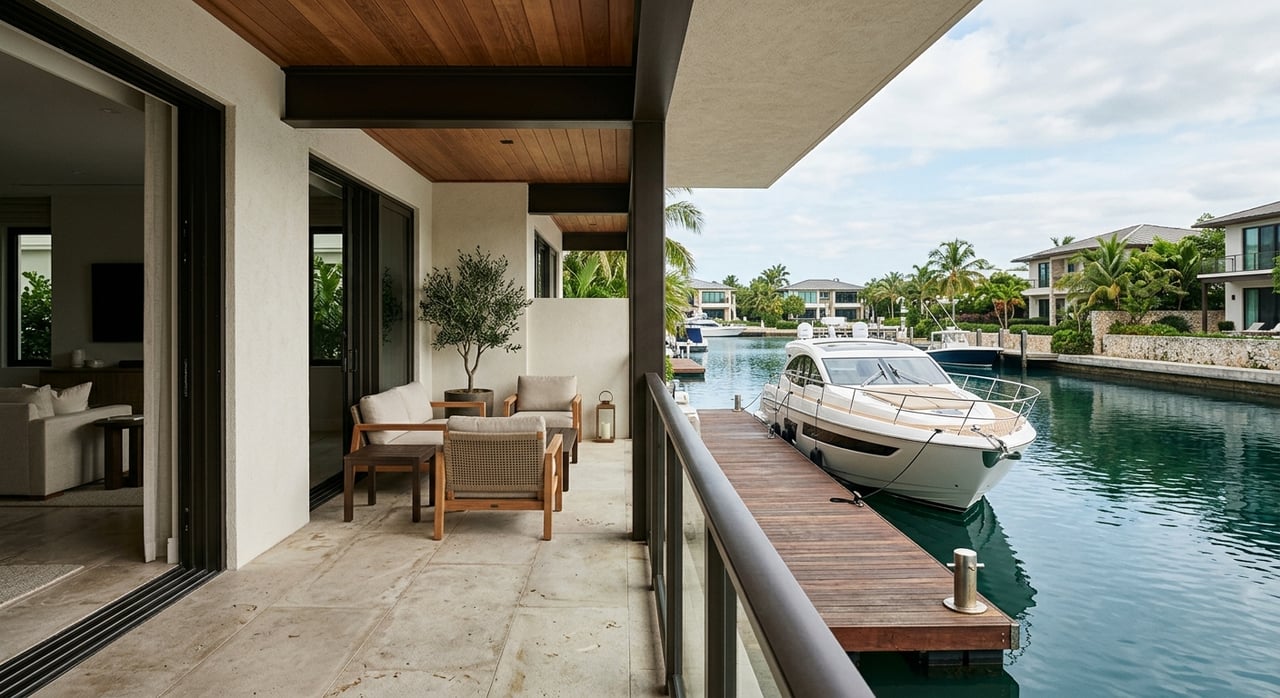
Looking for the rare mix of waterfront living and practical boat access on Oahu? Hawaii Kai stands apart because it offers something few places on the island can: marinafront homes connected to a large private inland waterway with access to Maunalua Bay. If you are considering this lifestyle, it helps to understand not just the views, but also the rules, upkeep, and property details that shape daily ownership. Let’s dive in.
What Makes Hawaii Kai Marina Unique
Hawaii Kai Marina is a private body of water that serves waterfront homes and commercial properties, according to the Hawaii Kai Marina Community Association. It is also the only Oahu community with a large private inland body of water where residents can live and reach the ocean by boat.
That setup creates a very specific kind of lifestyle. You get sheltered-water frontage, access to boating, and water views in a managed environment that feels different from direct oceanfront ownership.
The marina is about 266 acres with 12 miles of shoreline and an average depth of 6 feet. Buyers should also know that bridge clearances matter here, with roughly 13 feet under Kalanianaole Highway and about 19 feet under the Keahole and Wailua bridges.
Why Buyers Are Drawn to Marinafront Homes
For many buyers, the appeal starts with convenience. If you enjoy boating or being close to the water, marinafront living can make it easier to keep that part of your lifestyle close to home.
The marina is a shared boating corridor used by boaters, paddlers, waterfront homeowners, and others on the water. It also has an established boating culture, including community traditions like the annual Christmas Boat Parade.
There is also nearby public boating infrastructure that supports this lifestyle. The Department of Land and Natural Resources operates the Maunalua Bay launch ramp, and in 2026 the state completed dredging and shoreline improvements there to restore safe boat access, expand parking and canoe storage, and reduce erosion.
Boat Fit Matters More Than You May Think
Not every boat is equally suited to Hawaii Kai Marina. The marina’s layout, depth, and bridge clearances all affect what works well.
According to HKMCA, smaller and medium-sized power boats are generally the best fit. Larger power boats can use the marina, but they must operate at slow or no-wake speeds, and sailboats with tall masts or deep keels can run into issues with shallow areas and bridge clearance.
If boating is a major reason you are shopping here, this is one of the first things to verify. A home may be waterfront, but that does not automatically mean your vessel will be an easy fit for the marina.
Dock Access Is Not Automatic
One of the biggest misconceptions about marinafront property is that every waterfront home comes with simple, ready-to-use dock access. In Hawaii Kai, that is not always the case.
HKMCA states that waterfront residents can install or modify docks only with Marina Manager approval. That means dock status should be reviewed carefully during your home search, especially if you plan to keep a boat at the property.
For some buyers, a boat slip at Koko Marina Center may be an alternative. The key is to treat dock rights, current dock condition, and marina approval as important due diligence items rather than assumed features.
Understand the Ongoing Costs and Rules
Marinafront living comes with a unique set of operating costs and regulations. These are part of the ownership experience, and they should be part of your budget and planning from day one.
HKMCA lists annual marina dues of $600 for 2026. It also requires vessel registration and annual renewal, and power-vessel owners must show current registration and at least $300,000 in watercraft liability insurance.
Guest-boat access is regulated as well. Visiting vessels need guest passes before entering the marina, which is another reminder that the marina functions as a managed private waterway, not an unrestricted boating area.
Seawalls and Maintenance Deserve Close Review
One of the most important differences between marinafront and non-waterfront property is maintenance responsibility. In Hawaii Kai, seawall condition can be a major part of the ownership equation.
HKMCA says seawalls in front of single-family homes are the responsibility of the individual owner. In condo and commercial areas, the adjacent association or property owner is responsible instead.
This matters because repairs can be significant, and waterfront wear is ongoing. HKMCA also notes that wakes can damage seawalls, docks, vessels, and shorelines, so the condition of these structures is not just cosmetic. It can affect both cost and long-term enjoyment of the property.
Noise and Navigation Rules Shape Daily Life
The marina lifestyle is peaceful for many owners, but it is still a shared environment with clear operating rules. Those rules help protect the waterway and the surrounding properties.
HKMCA limits speed to the slower of 5 mph or no-wake in many areas. From sunset to 8 a.m., slow or no-wake rules apply to all boats.
The association also states that engine noise and amplified music should not disturb the community. If you are considering a marinafront home, it helps to think of the setting as active but regulated, with expectations around respectful use.
Flood and Insurance Questions Are Essential
Any waterfront purchase deserves careful parcel-level review, and Hawaii Kai is no exception. Marinafront buyers should look closely at flood exposure, insurance requirements, and long-term environmental factors.
Hawaii’s Climate Change Portal says sea level in Hawaii has already risen 5 inches since 1970. It could rise about 8 inches by 2050 and 3.5 feet by 2100 under an intermediate scenario, which can worsen chronic high-tide flooding and coastal erosion.
FEMA explains that properties in Special Flood Hazard Areas may require flood insurance when there is a mortgage from a federally regulated lender. For buyers, the practical takeaway is simple: confirm flood zone status for the specific parcel and understand the insurance implications before you commit.
Boating Safety Rules Also Affect Ownership
If you plan to operate a motorized vessel from your property, state boating rules are part of the lifestyle too. This is especially important for buyers relocating from outside Hawaii.
The Hawaii Department of Land and Natural Resources says operators of motorized vessels in Hawaii state waters must complete a NASBLA and state-approved boating safety course. Operators must also be able to show proof of certification on request.
That requirement may be straightforward, but it is still an important part of planning. Marinafront ownership tends to work best when you are comfortable with both the enjoyment and the responsibility that come with regular boat use.
How Marinafront Pricing Compares in Hawaii Kai
Marinafront homes occupy a smaller niche within the broader Hawaii Kai market. That often shows up in both pricing and market pace.
Current market snapshots show 19 active listings in Hawaii Kai Marina compared with 134 across Hawaii Kai overall. The median listing price in Hawaii Kai Marina is $1,296,500, compared with $1,050,000 for Hawaii Kai as a whole.
That is a difference of about $246,500, or roughly 23.5%. Marina listings also show a shorter median days on market at 37 days, compared with 55 days across the broader Hawaii Kai area.
Compare Marinafront With Nearby Alternatives
A waterfront address is only one part of the decision. In Hawaii Kai, nearby options can offer different price points, property types, and maintenance profiles.
For example, The Peninsula at Hawaii Kai currently shows a median listing price of $832,000. That gives buyers a lower-priced benchmark within the same broader community.
This is why smart comparisons matter. Instead of looking only at square footage or bedroom count, it is often more useful to compare frontage, dock setup, seawall condition, boating fit, and overall upkeep against both marinafront peers and nearby non-waterfront options.
Questions to Ask Before You Buy
If you are seriously considering marinafront living in Hawaii Kai, a focused review can save you time and help you avoid surprises. A few practical questions can quickly clarify whether a property truly fits your goals.
Ask about these items early in the process:
- Does the property currently have approved dock access?
- Would any dock changes require Marina Manager approval?
- What size and type of boat works under the bridges and in the marina’s shallow areas?
- Who is responsible for the seawall, and what is its current condition?
- What repairs have been completed or deferred?
- What are the current marina dues, registration requirements, and insurance rules?
- Are there guest-boat restrictions that matter to your use?
- Is the parcel in a flood-prone area, and how could that affect insurance and maintenance planning?
Why Local Guidance Matters in This Niche
Marinafront real estate is a micro-market, even within Hawaii Kai. Two homes may look similar online, yet differ meaningfully in dock setup, seawall responsibility, boat fit, or long-term operating costs.
That is why local, property-level guidance matters. If you are buying in this niche, you want someone who can help you compare not just the home itself, but the full ownership picture that comes with waterfront living.
If you are exploring marinafront homes in Hawaii Kai or weighing them against other luxury properties on Oahu, Tracy Allen can help you navigate the details with clear market insight and polished, hands-on guidance.
FAQs
What does marinafront living in Hawaii Kai mean for homeowners?
- Marinafront living in Hawaii Kai means owning property along a private inland waterway that serves waterfront residences and provides boat access to Maunalua Bay.
Do all Hawaii Kai marinafront homes include dock access?
- No. Dock access is not automatic, and installing or modifying a dock requires Marina Manager approval.
What types of boats work best in Hawaii Kai Marina?
- Smaller and medium-sized power boats are generally best suited to the marina because of shallow areas, slow-speed rules, and bridge clearance limits.
Who maintains the seawall at a Hawaii Kai marinafront home?
- For single-family homes, the individual property owner is responsible for the seawall in front of the home.
What are the marina dues and vessel rules in Hawaii Kai?
- HKMCA lists annual marina dues of $600 for 2026, plus vessel registration requirements, annual renewal, and insurance rules for power vessels.
How does Hawaii Kai Marina pricing compare with broader Hawaii Kai?
- Current market snapshots show a higher median listing price in Hawaii Kai Marina than in Hawaii Kai overall, along with a shorter median days-on-market figure.
What flood insurance issues should buyers check for Hawaii Kai marinafront property?
- Buyers should verify whether the specific parcel is in a Special Flood Hazard Area, since flood insurance may be required for some financed purchases.
Do boat operators in Hawaii Kai need a safety course?
- Yes. DLNR says operators of motorized vessels in Hawaii state waters must complete a NASBLA and state-approved boating safety course and show proof if requested.