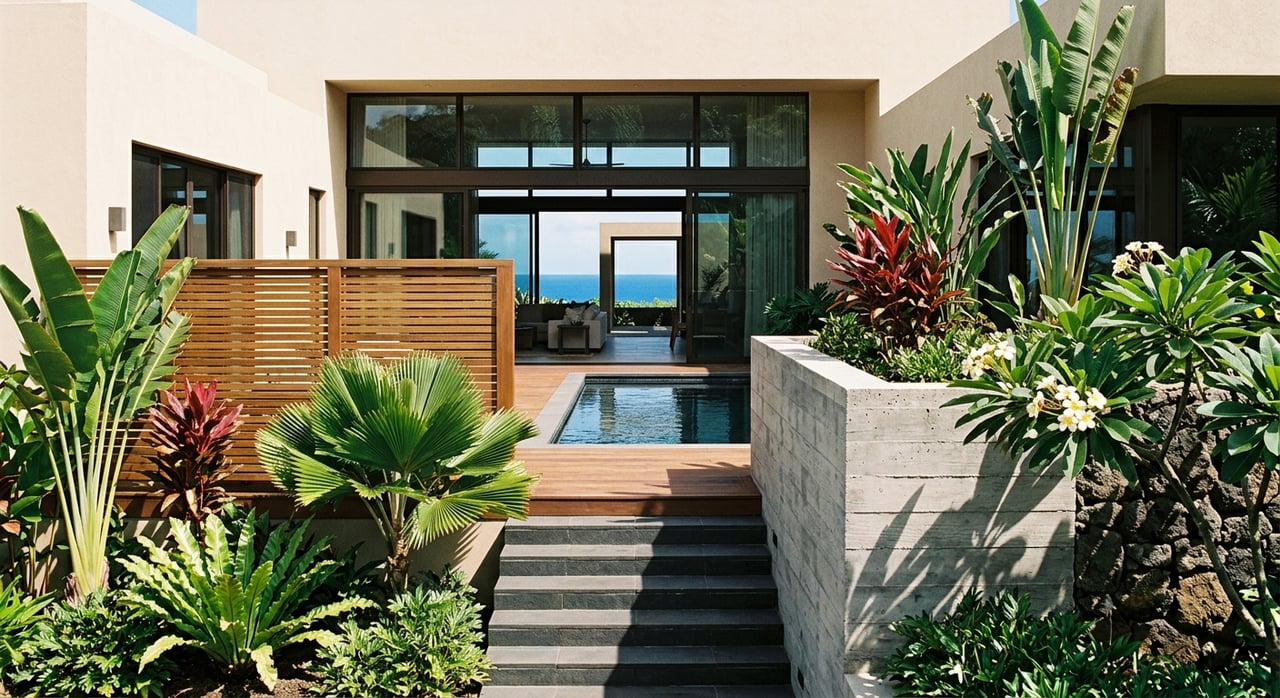
If you are drawn to Lanikai, you are probably choosing between two very different versions of the same dream. One puts you right on the sand with the Mokulua Islands in full view. The other lifts you above the shoreline for more separation, broader outlooks, and a quieter residential feel. If you are deciding between oceanfront and hillside living in Lanikai, understanding how each setting actually works day to day can help you choose with confidence. Let’s dive in.
Why location feels different in Lanikai
Lanikai is one of Oahu’s most beach-centered neighborhoods, and the setting shapes your experience more than many buyers expect. The City and County of Honolulu identifies the Mokulua Islands view as a major attraction and notes that Lanikai Beach is accessed through public and private shoreline access points.
That matters because a home’s position changes more than the scenery. It can affect privacy, guest parking, beach convenience, and how closely the property is tied to shoreline rules and visitor activity. In Lanikai, a few streets or a little elevation can create a very different ownership experience.
The area also has physical limits that influence daily life. The city states that Kaʻiwa Ridge separates Lanikai from greater Kailua, and that roads, residential access, and parking are tightly constrained during periods of high visitor demand.
Oceanfront living in Lanikai
Direct beach access and immersive views
Oceanfront living offers the most immediate beach lifestyle. If your goal is to move from your home straight into the sand and water, this is the clearest fit. The shoreline, the surf conditions, and the Mokulua panorama become part of your everyday setting.
For many buyers, that access is the main appeal. You are fully connected to the beach in a way that hillside homes cannot quite replicate. The tradeoff is that the public shoreline environment is also more present in your day-to-day life.
More visibility and beach activity
Lanikai Beach is a public-access shoreline, and the city notes there are no public parking lots, restrooms, showers, or lifeguards for the half-mile beach. With limited infrastructure and strong visitor demand, oceanfront homes tend to feel the most direct impact from beach traffic and passing foot activity.
If privacy is high on your list, this is important to weigh carefully. Hawaii’s shoreline access guidance also makes clear that shoreline transit corridors must remain passable, which can limit how much separation a property creates on the seaward side. In simple terms, being closest to the beach often means being most visible to beachgoers.
More shoreline regulation
Oceanfront parcels in Lanikai also face the strongest planning constraints. Honolulu’s shoreline setback rules define shoreline lots broadly and use an erosion-rate-based setback that can extend up to 130 feet mauka from the certified shoreline.
The city also limits shoreline hardening and sets standards for lot shape and building placement on new shoreline lots. In flood hazard and sea-level-rise exposure areas, design expectations can also include floor-elevation requirements. For buyers, that means the usable building area may be shaped as much by regulation as by the lot’s total size.
Coastal exposure is part of ownership
Oceanfront ownership in Lanikai comes with long-term coastal considerations. State and city sources describe Hawaii’s coastline as vulnerable to erosion, flooding, sea level rise, and other hazards. The state also reports that 70% of Hawaii beaches are experiencing erosion.
That does not make oceanfront living less special, but it does make due diligence more important. If you are looking at a beachfront home, you should expect shoreline management and coastal planning to remain part of the ownership picture.
Hillside living in Lanikai
More elevation and wider outlooks
Homes on the mauka side of Lanikai, near Kaʻiwa Ridge, offer a different kind of beauty. Instead of stepping directly onto the sand, you gain elevation, a more removed setting, and often a broader visual perspective over the neighborhood and coastline.
This option tends to suit buyers who want views without being right in the middle of beach activity. The ridge geography creates a natural sense of separation from the shoreline. That can make hillside homes feel calmer and more tucked away.
More privacy and residential feel
For buyers who value discretion, hillside homes often have a strong advantage. Based on the area’s ridge layout and access patterns described by the city, mauka properties generally have less direct interaction with beach visitors than oceanfront homes.
That difference can shape your daily experience in meaningful ways. You may have less foot traffic nearby, a quieter setting, and a stronger sense of retreat. For second-home owners and relocators, that can be especially appealing.
Less direct beach convenience
The tradeoff is simple. You usually need to walk or drive down to reach the beach rather than stepping out directly onto it.
For some buyers, that is a minor compromise. For others, especially those who imagine daily beach use as part of their routine, it may feel like a major distinction. Your ideal Lanikai lifestyle depends on whether instant beach access matters more than privacy and elevation.
Trailhead activity can still matter
Not every mauka location feels completely removed. The city notes that the Lanikai Pillbox hike begins off private property on Kaʻelepulu Drive and that there is no parking or support infrastructure nearby.
So if a home is near the trailhead area, visitor activity may still be part of the experience. That is one reason hyperlocal guidance matters in Lanikai. Two hillside properties can feel very different depending on their exact position.
How lot constraints can differ
One practical difference between oceanfront and hillside homes is how the lot may be evaluated. Oceanfront parcels are more likely to be treated as shoreline lots, which brings the full weight of shoreline setback geometry and related restrictions.
Mauka homes are still in a coastal neighborhood, but they are typically less affected by shoreline-lot configuration rules. In many cases, they function more like residential view lots than shoreline lots. That can offer more flexibility in how buyers think about the property’s long-term use and improvement potential.
What second-home buyers should verify
If you are buying from the Mainland, overseas, or as a part-time owner, your due diligence should go beyond finishes and views. In Lanikai, operational details can shape ownership just as much as aesthetics.
Here are key items to verify before you move forward:
- Whether the parcel is considered a shoreline lot
- How far the certified shoreline setback extends
- Whether the home is in a FEMA special flood hazard area
- Whether the property is in the state sea-level-rise exposure area
- Whether any coastal hardening exists on site
- Whether any nonconforming structures could affect future repairs or reconstruction
- How guest parking and contractor access work on that street
- How beach access feels from the home in real day-to-day use
These checks matter on any Lanikai property, but they are especially important for oceanfront homes. They can affect not just your enjoyment of the property, but also future planning and maintenance decisions.
Parking and access deserve extra attention
Parking is not a small issue in Lanikai. The city states that Lanikai Beach has no public parking lots and also documents recurring congestion, constrained roads, delayed ingress and egress, and concerns about emergency response times during peak use.
For you as a buyer, this can influence much more than weekend convenience. It can affect guest arrival, service access, contractor logistics, and the feel of coming and going from the home. Depending on the property’s location, that experience may feel either manageable or frustrating.
Which Lanikai lifestyle fits you best?
Oceanfront may be right for you if:
- You want the most direct connection to the beach
- Daily sand and water access is a priority
- You are comfortable with more public visibility
- You understand the added importance of shoreline rules and coastal exposure
Hillside may be right for you if:
- You value privacy and separation from beach traffic
- You prefer elevation and broad view lines
- You want a more tucked-away residential feel
- You do not mind walking or driving to the beach
The bottom line
In Lanikai, oceanfront living is the more immersive beach experience, while hillside living is the more elevated and private view experience. Neither is universally better. The right choice depends on how you want to live, how much visibility and regulation you are comfortable with, and what kind of day-to-day rhythm feels best to you.
If you are weighing both options, the most helpful next step is to compare properties through the lens of access, privacy, lot constraints, and long-term coastal considerations, not just the view. In a micro-market as nuanced as Lanikai, that level of guidance can make all the difference.
If you are considering a Lanikai purchase and want clear, discreet guidance on oceanfront and hillside opportunities, connect with Tracy Allen for knowledgeable, high-touch support tailored to Oahu’s luxury market.
FAQs
What is the main difference between oceanfront and hillside living in Lanikai?
- Oceanfront living offers immediate beach access and a more immersive shoreline lifestyle, while hillside living usually offers more elevation, separation, and privacy with less direct beach convenience.
What should buyers know about beach access in Lanikai?
- The City and County of Honolulu states that Lanikai Beach is reached through public and private shoreline access points, and the beach has no public parking lots, restrooms, showers, or lifeguards.
What should buyers know about shoreline setbacks for Lanikai oceanfront homes?
- Honolulu’s shoreline setback rules can apply broadly to shoreline lots and may extend up to 130 feet mauka from the certified shoreline, which can affect the buildable area and future improvements.
Are hillside homes in Lanikai usually more private than oceanfront homes?
- In general, hillside homes on the mauka side near Kaʻiwa Ridge tend to have less direct interaction with beach visitors and often feel more residential and secluded.
What due diligence matters most for second-home buyers in Lanikai?
- Buyers should verify shoreline lot status, setback distance, flood hazard exposure, sea-level-rise exposure, coastal hardening, nonconforming structures, and practical access and parking conditions before moving forward.