Selling a Portlock oceanfront home is not like preparing an average listing. You are presenting a property where the setting, the view, and the condition of the home all shape buyer perception from the first photo onward. With coastal wear, disclosure details, and presentation strategy all in play, a smart prep plan can help you reduce surprises and launch with confidence. Let’s dive in.
Why Portlock prep needs a coastal plan
In Portlock, buyers are often evaluating more than square footage or finishes. They are also responding to the home’s oceanfront setting, indoor-outdoor flow, and how well the property captures light and views.
That makes preparation especially important. In the broader Oʻahu market, single-family homes posted a May 2026 median sales price of $1,166,000 with 255 sales, which shows that even in a strong market, presentation and pricing discipline still matter.
Oceanfront homes also face conditions that inland properties may not. Salt spray, moisture, and corrosion can affect concrete, metal hardware, trim, and exterior surfaces over time, so a Portlock seller should plan for a more targeted review before going live.
Start outside first
For most Portlock listings, the first impression begins well before a buyer steps through the door. The approach, landscaping, entry, windows, and exterior lines all help set expectations for the rest of the showing.
A clean and edited exterior also supports photography. National seller guidance recommends curb appeal updates such as landscaping, paint touch-ups, clean windows, and decluttering because cameras tend to magnify distraction and visual clutter.
Focus on landscaping and drainage
In Hawaiʻi, exterior prep is not just about appearance. It can also affect moisture and termite risk.
Guidance from the University of Hawaiʻi Termite Project recommends avoiding wood-to-soil contact, keeping plants and planters away from walls, and correcting drainage issues so water does not collect near the structure. For you as a seller, that can mean trimming vegetation back, clearing debris, checking irrigation overspray, and making sure drains and downspouts are moving water away from the home.
Watch for permit-triggering work
Some exterior improvements may require more than a contractor and a punch list. If your prep includes regrading, drainage changes, or larger earthwork, Honolulu rules may require a grading permit.
According to Honolulu Department of Planning and Permitting procedures, a grading permit is required when grading changes drainage patterns, exceeds 50 cubic yards of cut or fill, or exceeds 3 feet in vertical height at the deepest point. On shoreline lots, shoreline setback rules can also apply before grubbing, grading, or construction begins.
Inspect early to stay in control
A pre-listing inspection is not required, but it is often one of the most useful steps you can take. It gives you time to understand the home’s condition before buyers and inspectors begin raising questions.
Seller guidance notes that a typical inspection can cover the structure, exterior, roof, plumbing, electrical, HVAC, interiors, ventilation, insulation, fireplaces, and even mold-related testing. When you inspect early, you usually have more control over repair timing, vendor scheduling, and negotiation strategy.
Prioritize the issues buyers notice fastest
For a Portlock oceanfront property, some issues deserve early attention because they can affect both perception and negotiations. Moisture stains, musty odors, soft trim, rusted hardware, window condensation, and signs of leaks or termite activity are all likely to stand out.
That priority makes sense in a coastal setting. Moisture control is central to mold prevention, and wet materials should generally be dried within 24 to 48 hours. Hawaiʻi homeowners also need to stay alert to termite risk, especially because the Formosan subterranean termite is considered the single most damaging insect pest to homes in Hawaiʻi.
Review disclosures before launch
A polished listing should also be a well-prepared listing. In Hawaiʻi, seller disclosure requirements make it important to verify material facts before your home hits the market.
Hawaiʻi law states that the disclosure statement is not a substitute for expert inspection or professional advice. It also requires sellers to amend the disclosure before closing if later-discovered material facts directly, substantially, and adversely affect the property’s value.
Verify flood and tsunami map status
This step matters for oceanfront sellers in particular. Hawaiʻi law specifically requires disclosure when residential property lies in a special flood hazard area or a tsunami inundation area.
Because effective flood hazard information can change over time, it is wise to confirm the property’s current map status before launch. Doing this early helps you market with greater clarity and reduces the chance of last-minute revisions.
Stage for views, light, and flow
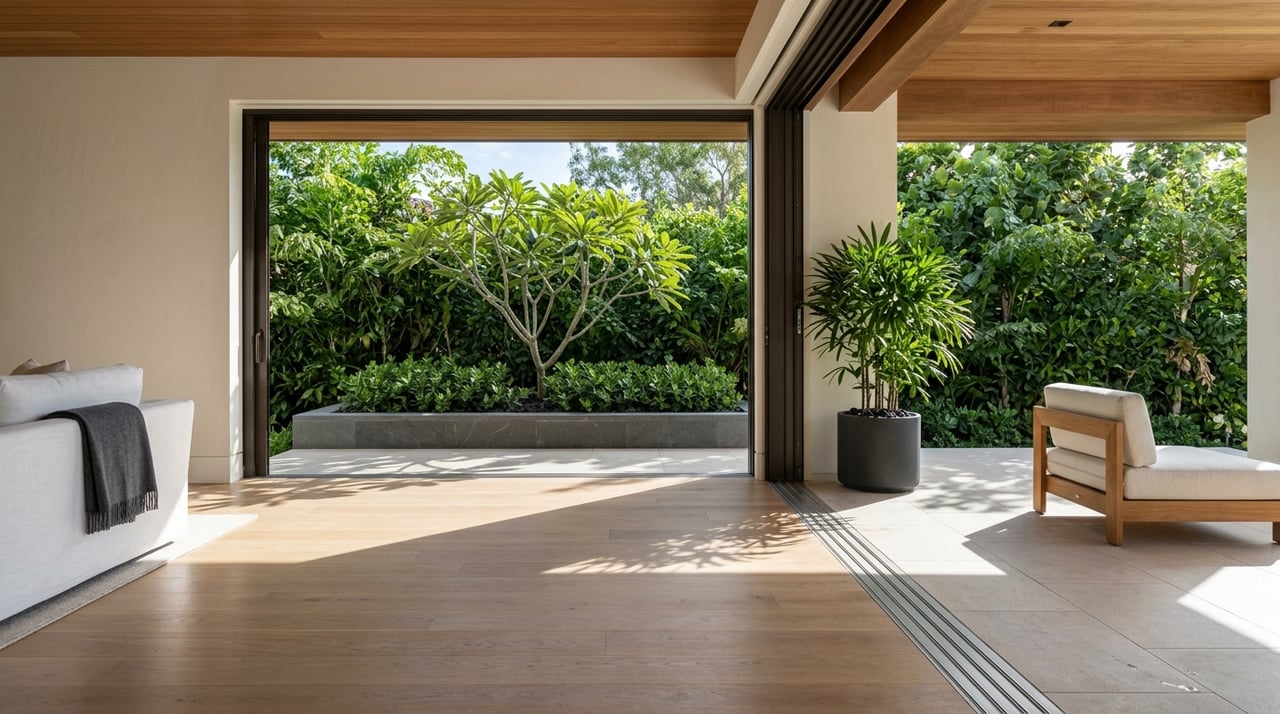
In Portlock, staging should support the property’s strongest features rather than compete with them. The goal is to help buyers notice the water, the natural light, and the connection between interior living spaces and the lanai.
Photo-shoot guidance recommends opening blinds, removing clutter, paring down furniture, and arranging rooms so the camera can read the flow clearly. For an oceanfront home, that usually means creating cleaner sightlines and making each room feel calm, open, and easy to understand.
Keep the visual field simple
If a room feels crowded in person, it usually feels even more crowded in photos. Reducing extra chairs, oversized accessories, and furniture that blocks sliders or windows can make the home look more expansive.
This matters even more when the view is part of the value. Spotless glass, lighter furniture placement, and seating that subtly faces the water can help the setting lead the story.
Support indoor-outdoor living
Portlock buyers are often looking for a lifestyle as much as a floor plan. Your lanai, pool deck, lawn, and waterfront-facing spaces should feel connected to the interior, not like separate zones.
Simple staging choices can help. Clear walking paths, minimize visual clutter near outdoor access points, and make sure exterior seating areas feel intentional, clean, and ready to use.
Build a smart launch sequence
The best listing launches usually follow a clear order. That keeps the process more manageable for you and lowers the chance that a known issue shows up after photography or during buyer due diligence.
A practical sequence for a Portlock sale looks like this:
- Review inspection needs and seller disclosures.
- Address moisture, corrosion, termite, and leak-related repairs.
- Complete exterior cleanup and landscape grooming.
- Declutter and stage the interior.
- Schedule photography and video.
- Launch to market.
This order works because it aligns the visual presentation with the actual condition of the property. It also helps you avoid spending money on staging and media before the home is truly ready.
Why preparation supports pricing power
Even exceptional homes benefit from disciplined preparation. When a buyer sees a Portlock property that feels cared for, visually clear, and well managed, it can strengthen confidence from the first showing.
That confidence matters in a market where presentation and pricing work together. A strong launch is not just about making the home look beautiful. It is about reducing friction, supporting disclosures, and helping buyers connect the property’s condition with its value.
If you are thinking about selling a Portlock oceanfront home, a focused prep plan can make the process smoother and the debut more effective. For tailored guidance on positioning, presentation, and launch strategy, connect with Tracy Allen.
FAQs
Do I need a pre-listing inspection for a Portlock home?
- No, it is not required, but it can help you identify repair priorities early and reduce surprises during negotiations.
What issues matter most when preparing a Portlock oceanfront home?
- Moisture, mold risk, termite activity, corrosion, leaks, rusted hardware, and any condition issues that affect views, flow, or buyer confidence should be reviewed early.
Do exterior improvements on a Portlock property require permits?
- Sometimes. In Honolulu, grading or drainage changes can require permits, and shoreline-lot work may trigger additional rules or review.
What should staging emphasize in a Portlock listing?
- Staging should highlight ocean views, natural light, clean sightlines, and a smooth connection between the interior and outdoor living areas.
What disclosures should sellers check for a Portlock oceanfront property?
- Sellers should verify material facts about the property and confirm whether the home is in a special flood hazard area or tsunami inundation area before listing.